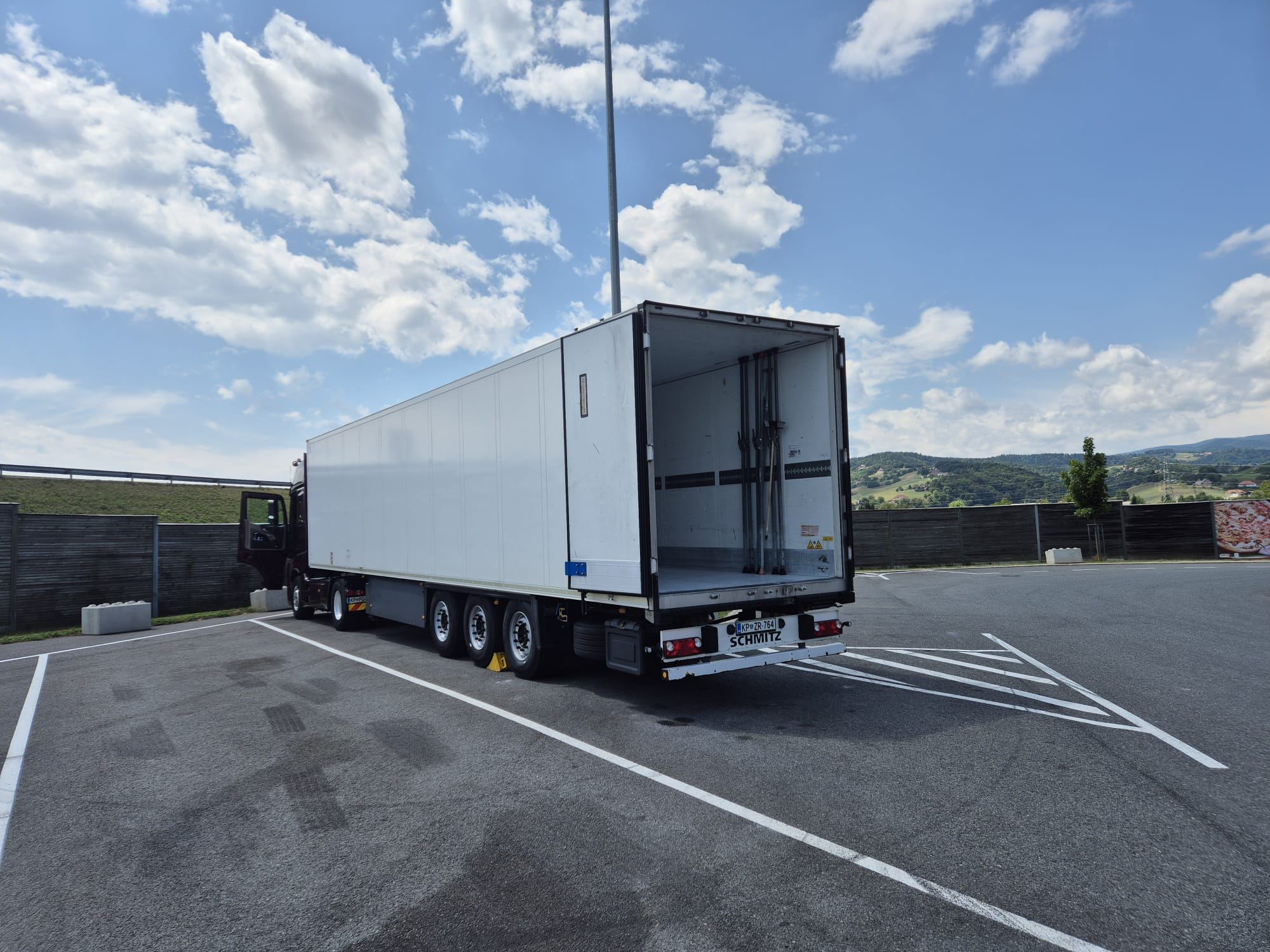
Vehicle and equipment
One vehicle. Known down to the last specification.
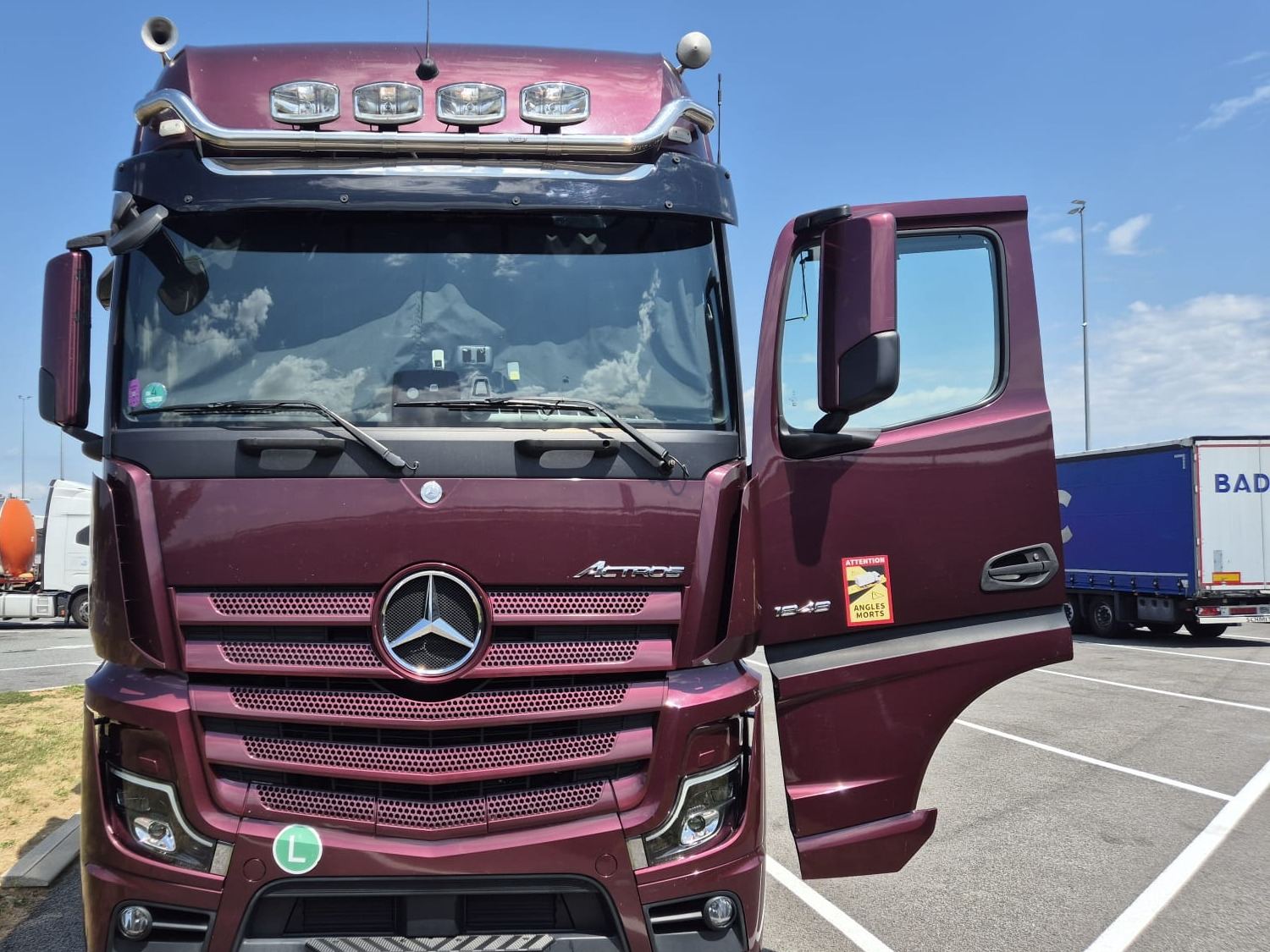
We do not run a fleet and we do not subcontract. We have one tractor unit and one refrigerated semi-trailer — which is exactly why we can tell you everything about them.
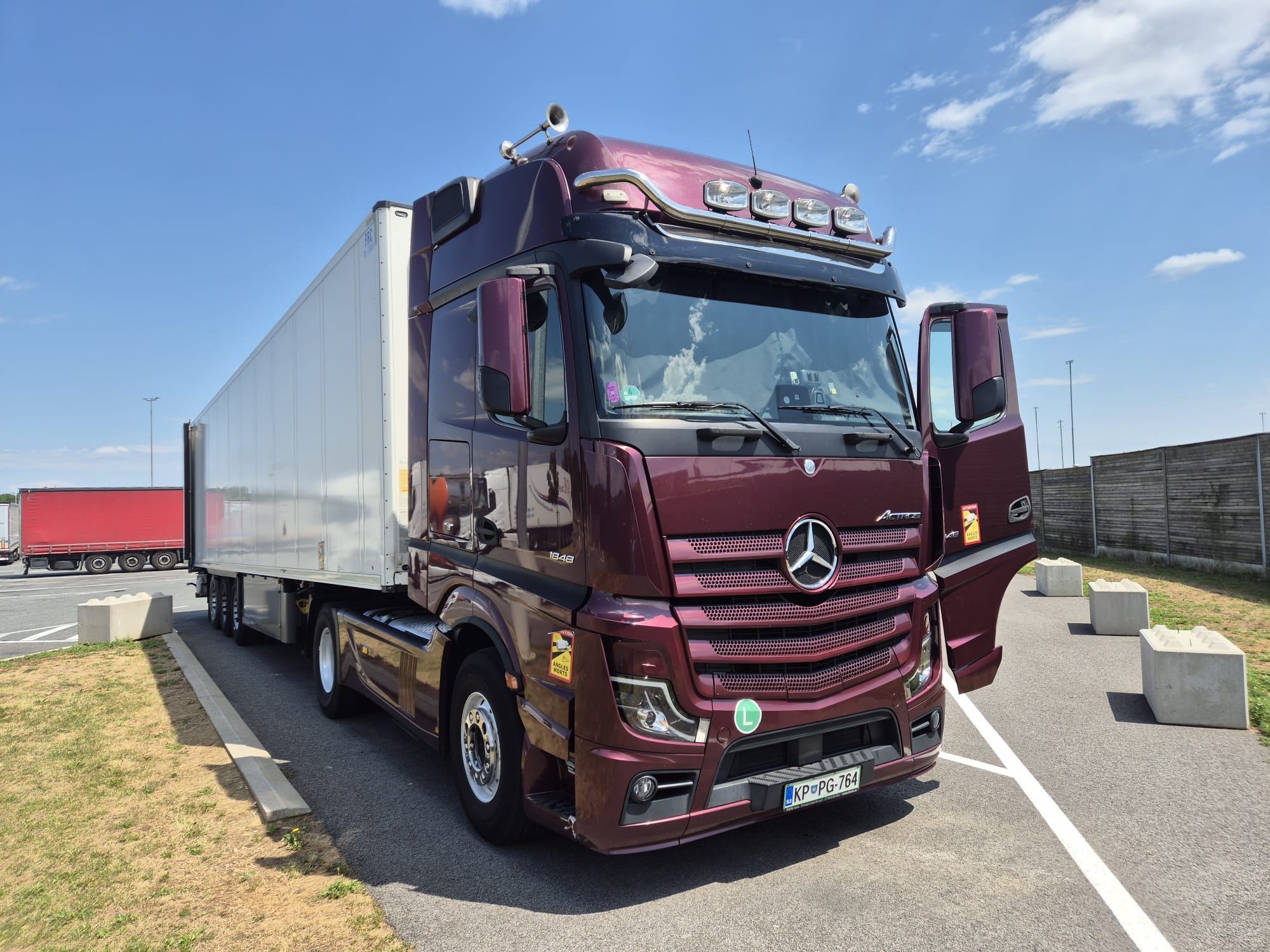
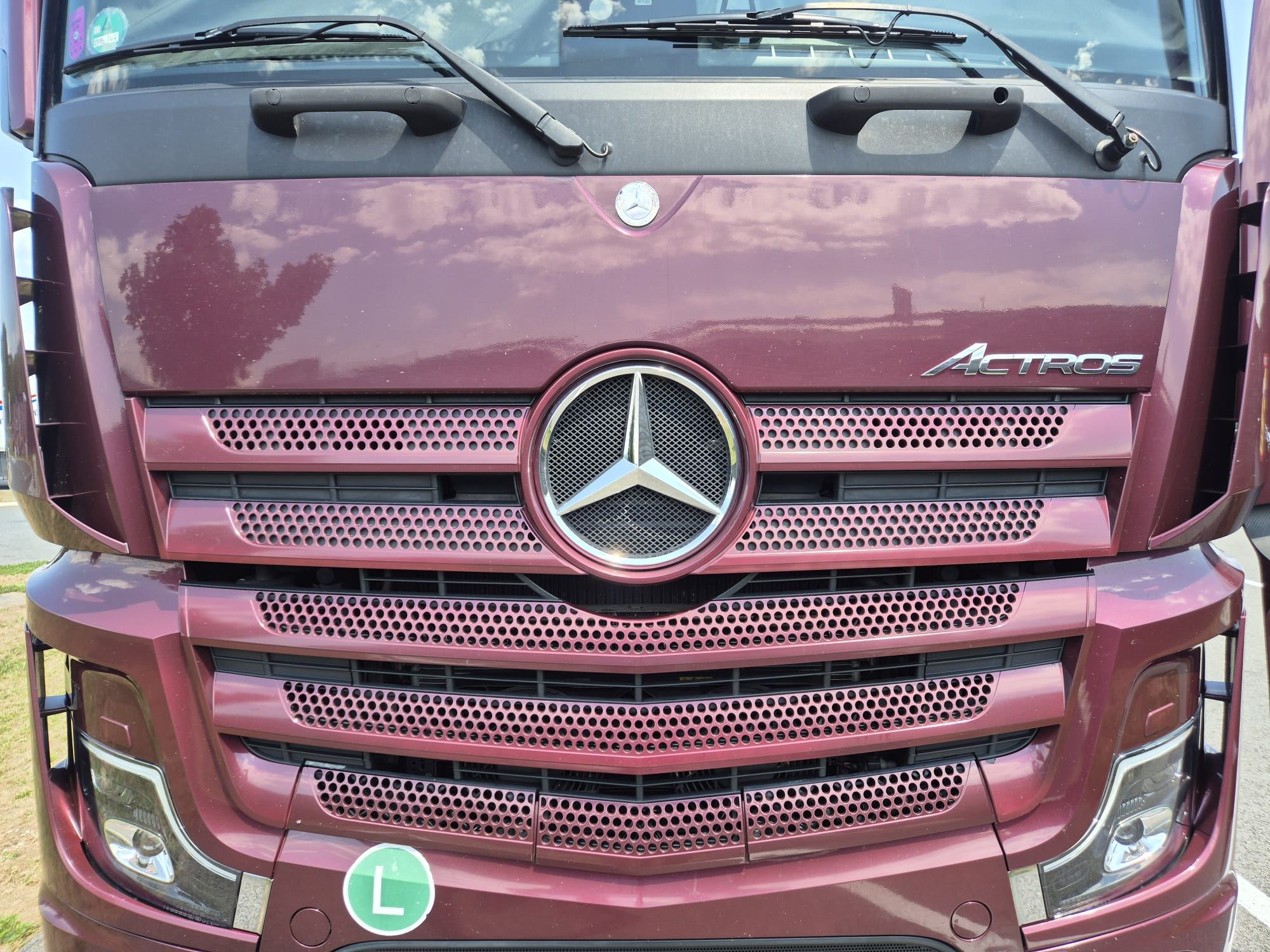
Specifications
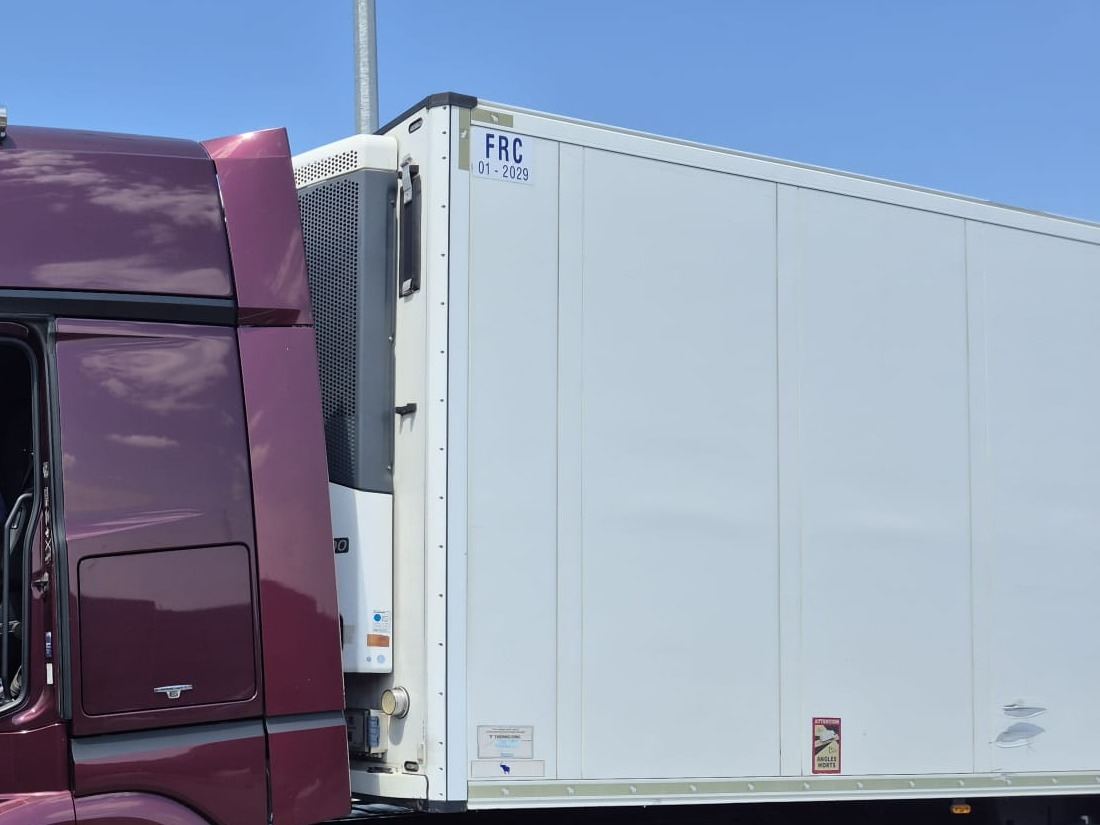
What class FRC actually means
ATP is the international agreement on the carriage of perishable foodstuffs. The class is not a quality badge but a measured performance: how much heat the body lets through, and which temperature the vehicle is certified to hold at an outside temperature of +30 °C.
FRC is the highest usable class for mixed work — the only one that covers the entire frozen and the entire chilled spectrum at once. Competitors often publish only a bare range (“−25 to +25 °C”) with no class; that figure is not verifiable, because there is no certificate behind it.
Under ATP, the most demanding category requires −20 °C, quick-frozen goods −18 °C, other frozen goods −12 °C and butter −10 °C. Class FRC covers all four.
We carry frozen fish at −21 °C, although ATP requires −18 °C. Those three degrees are a deliberate margin: every time the doors open — at loading, at customs, at delivery — the air temperature rises. With the margin, the cargo stays well below the prescribed limit through those swings instead of brushing against it.
−21 °C is our operating setpoint, not a certified figure. ATP class FRC guarantees down to −20 °C; the unit reaches lower in practice. We state the difference separately, because a certificate and a setpoint are not the same thing.
Honest about the limits: whole fresh fruit and vegetables fall outside the scope of ATP. We do carry them — but the guarantee an ATP certificate gives does not extend to them. For fresh produce, industry good practice and an agreed temperature setting apply.
Interior and equipment